
Sarepta Therapeutics Inc
WKN: A1J1BH / ISIN: US8036071004AVI BIOPHARMA - Schweinegrippe-Profiteur
| eröffnet am: | 27.04.09 19:22 von: | Fortunatus |
| neuester Beitrag: | 29.11.12 14:30 von: | MeinMotto |
| Anzahl Beiträge: | 133 | |
| Leser gesamt: | 47596 | |
| davon Heute: | 8 | |
bewertet mit 5 Sternen |
||
|
|
||

AVI-4658 Demonstrates Encouraging Human Safety Profile, Targeted Exon Skipping and New Dystrophin Production in Phase 1 Intramuscular Injection Study; Preliminary Data From Ongoing Phase 1b/2 Systemic Study Support Safety and Potential for Long-Term Dosing
BOTHELL, WA -- (MARKET WIRE) -- 09/14/09 -- AVI BioPharma, Inc. (NASDAQ: AVII), a developer of RNA-based drugs, today announced that full data from its completed Phase 1 clinical trial of its splice skipping oligomer (SSO) AVI-4658 in patients with Duchenne Muscular Dystrophy (DMD) was presented at the 14th Annual International Congress of the World Muscle Society in Geneva, Switzerland. These data, presented by Dr. Virginia Arechavala-Gomez, a member of the MDEX Consortium at the University College London Institute of Child Health, showed that AVI-4658 was safe when injected intramuscularly and successfully induced the production of dystrophin protein in patients in a dose-responsive manner. This safe and well-tolerated production of new dystrophin is believed to be the key to restoring muscle function and successfully treating patients with DMD -- a condition for which there is no currently approved disease modifying therapy.
Preliminary safety data from AVI's current systemic Phase 1b/2 clinical trial of AVI-4658 in patients with DMD was also presented by Dr. Stephen B. Shrewsbury, Chief Medical Officer and Senior Vice President of Preclinical, Clinical and Regulatory Affairs of AVI at the World Muscle Society (WMS) in Geneva on September 12, 2009. This presentation highlighted the study's early findings, which showed AVI-4658 to be well tolerated in patients in the first two completed dosing cohorts and the study's three ongoing dosing cohorts, where there have been no confirmed, drug-related adverse events or safety issues. These preliminary data further support the study's dose escalation to the final patient cohort at 20 mg/kg, which has been agreed in principal by the UK Regulatory Authority (MHRA) and the Ethics Committee and will be preceded by a Data Safety Monitoring Board review of data from the highest dose cohort currently being treated (10 mg/kg).
"These positive safety findings are exciting and promising, both for AVI-4658 and, most importantly, for patients and their families living with DMD," said Dr. Shrewsbury. "With no currently approved disease modifying therapies available to treat this fatal genetic disease, the progress being made in SSO-induced exon skipping is key. Insights into long-term safety and chronic dosing regimens could represent a crucial step forward in developing a safe and effective lifelong treatment for patients living with DMD."
The Phase 1 proof of principle, single dose escalation study tested the effect of an intramuscular injection of AVI-4658 in boys with DMD. The primary and secondary endpoints were safety and efficacy of AVI-4658, respectively. Each patient received an injection of 0.09 mg or 0.9 mg of AVI-4658, which is a novel phosphorodiamidate morpholino oligomer (PMO), into the exterior digitorum brevis muscle of one foot and an injection of saline as placebo into the corresponding muscle of the opposite foot to provide an internal treatment comparison. Three to four weeks later, each injected muscle was biopsied and examined for evidence of dystrophin production. Results demonstrated that injection of AVI-4658 elicited exon 51 skipping and dystrophin production in a dose dependent manner in all treated patients. Specifically, 44-79% of EDB fibers were dystrophin-positive, relative to contralateral muscle background and dystrophin levels seen in patients treated with AVI-4658 (equivalent to 42% of the dystrophin levels seen in each normal muscle cell) exceeded the levels achieved in a recent 2'O-methyl-phosphorothioate oligomer (2'O-Me P) DMD clinical trial. Importantly, AVI-4658 was well tolerated, with no adverse events related to the administration of the drug. These findings were also recently published in Lancet Neurology online and will appear in the journal's October 2009 print issue.
The currently ongoing Phase 1b/2 dose-finding clinical trial is evaluating the systemic delivery of AVI-4658. This is an open label, 12-week safety trial that includes measures of drug efficacy and pharmacokinetics. To date, four of the six dosing cohorts have been successfully completed and the fifth dosing cohort (10 mg/kg) is ongoing. Preliminary data presented at the WMS show that AVI-4658 has been well tolerated with very few mild and transient drug-related adverse events and no serious adverse events. Further, the independent Data Safety Monitoring Board (DSMB) has approved each of the trial's dose escalations and -- with DSMB approval -- AVI could begin dosing on the sixth and final cohort (20 mg/kg) shortly. Importantly, dosing of the fifth and sixth cohort out to 12 weeks will exceed both dose level and duration of dosing previously studied by other researchers with the alternative 2'O-Me P approach. AVI believes that this encouraging and growing safety profile, duration of exposure and approved dose escalations are extremely important clinical advances for its PMO chemistry approach as any dose-limiting toxicity for any drug, could severely limit the effectiveness of a DMD therapy in this chronic condition where treatment must start in childhood and probably continue for life.
"It has been very pleasing to work on this project from its beginning and to be part of its early clinical success -- showing the safety and efficacy of AVI-4658 when administered intramuscularly," said Professor Francesco Muntoni, the study's lead investigator and head of the MDEX consortium in the UK, which performed the study. "We are delighted to be recruiting DMD patients into the ongoing systemic study and to see that treatment is being well tolerated. The children in this trial and their families have been enthusiastic in their participation in these studies and we would like to thank them for taking part in this important clinical work."
The Phase 1b/2 clinical trial is being conducted in London, UK at the UCL Institute of Child Health / Great Ormond Street Hospital NHS Trust facilities and at the Royal Victoria Infirmary, Newcastle-Upon-Tyne, UK, which is the coordinating center for the European Treat Neuromuscular Diseases (Treat-NMD) initiative. The clinical costs for the trial are provided, in part, by the UK Medical Research Council.
About Duchenne Muscular Dystrophy (DMD)
DMD is one of the most common fatal genetic disorders to affect children around the world. Approximately one in every 3,500 boys worldwide is afflicted with Duchenne Muscular Dystrophy with 20,000 new cases reported each year. It is a devastating and incurable muscle-wasting disease associated with specific inborn errors in the gene that codes for dystrophin, a protein that plays a key structural role in muscle fiber function. Symptoms usually appear in male children by age three. Progressive muscle weakness of the legs and pelvis eventually spreads to the arms, neck, and other areas. By age 10, braces may be required for walking, and most patients are confined to a wheelchair by age 12. Eventually, this progresses to complete paralysis and increasing difficulty in breathing requiring ventilatory support. The condition is terminal and death usually occurs before the age of 30. The outpatient cost of care for a non-ambulatory DMD boy is among the highest of any disease. There is currently no cure for DMD, but for the first time ever, there are promising therapies in or moving into development.
About the MDEX Consortium
The MDEX consortium led by Professor Francesco Muntoni, is a multidisciplinary enterprise to promote translational research into muscular dystrophies, and is formed by the clinical groups of Professor Francesco Muntoni (UCL Institute of Child Health) and Professor Kate Bushby and Professor Volker Straub (Newcastle University), and scientists from Imperial College London (Professor Dominic Wells), UCL Institute of Child Health (Dr. Jennifer Morgan), Royal Holloway University of London (Professor George Dickson), Oxford University (Dr. Matthew Wood) and University of Western Australia (Professor Steve Wilton). In addition, the charities Muscular Dystrophy Campaign (MDC), Action Duchenne and Duchenne Family Support Group also participate in the Consortium. For more information, visit www.mdex.org.uk.
About AVI BioPharma
AVI BioPharma is focused on the discovery and development of RNA-based drugs utilizing proprietary derivatives of its antisense chemistry (morpholino-modified phosphorodiamidate oligomers or PMOs) that can be applied to a wide range of diseases and genetic disorders through several distinct mechanisms of action. Unlike other RNA therapeutic approaches, AVI's antisense technology has been used to directly target both messenger RNA (mRNA) and its precursor (pre-mRNA), allowing for both up- and down-regulation of targeted genes and proteins. AVI's RNA-based drug programs are being evaluated for the treatment of Duchenne muscular dystrophy as well as for the treatment of cardiovascular restenosis through our partner Global Therapeutics, a Cook Group Company. AVI's antiviral programs have demonstrated promising outcomes in Ebola Zaire and Marburg Musoke virus infections and may prove applicable to other viral targets such as HCV or Dengue viruses. For more information, visit www.avibio.com.
"Safe Harbor" Statement under the Private Securities Litigation Reform Act of 1995: The statements that are not historical facts contained in this release are forward-looking statements that involve risks and uncertainties, including, but not limited to, the results of research and development efforts, the results of preclinical and clinical testing, the effect of regulation by the FDA and other agencies, the impact of competitive products, product development, commercialization and technological difficulties, and other risks detailed in the company's Securities and Exchange Commission filings.
AVI Press and Investor Contact:
Julie Rathbun
Investor Relations
(541) 224-2575
Investorrelations@avibio.com
Monday October 05, 2009 11:29:00 EDT
(RTTNews) - Monday, AVI BioPharma Inc. (AVII) received an expanded contract funding of approximately $11.5 million from the Defense Threat Reduction Agency's or DTRA Transformational Medical Technologies Initiative or TMTI. The contract is to support development of the Investigational New Drug or IND data package for its candidate drug, AVI-7012, to treat Junin virus infection.
The company noted that to date, the United States Department of Defense has contracted it for work potentially worth up to $45 million for the development of AVI's RNA-based drug candidates to treat Ebola, Marburg and Junin virus infections.
The company added that it received a safe to proceed allowance from the United States Food and Drug Administration for IND applications for clinical safety trials of its two lead products to treat Ebola and Marburg virus infections. These INDs represent the first TMTI supported drug candidates targeting bioterrorism agents to receive FDA IND allowance.
For comments and feedback: contact editorial@rttnews.com
Copyright(c) 2009 RTTNews.com, Inc. All Rights Reserved
http://www.quote.com/news/story.action?id=RTT910051129001139
Mal sehen was die Schweinegrippe noch für AVII bringt...
Positive RNA and Protein Signals in First Cohorts Analyzed; Conference Call Scheduled Today at 8:30 AM Eastern Time
BOTHELL, WA -- (MARKET WIRE) -- 12/22/09 -- AVI BioPharma, Inc. (NASDAQ: AVII), a developer of RNA-based drugs, today announced initial efficacy data from the ongoing Phase 1b/2 clinical trial of AVI-4658 for the systemic treatment of patients with Duchenne muscular dystrophy (DMD), a genetic muscle wasting disease caused by failure to produce dystrophin. Patients in the first four (of six) cohorts completing 12 weeks of treatment with different doses of AVI-4658 (0.5, 1.0, 2.0 or 4.0 mg/kg) have had their muscles biopsied. Analysis of the post treatment biopsies found that patients in the 2 and 4 mg/kg drug-treatment cohorts (3 of 3 in total) showed correctly spliced mRNA for dystrophin. One of these patients, in the 2mg/kg cohort, showed robust expression of dystrophin protein by western blot and immunofluorescent analysis. No RNA or protein expression signal was detected in patients from the 0.5 mg/kg or 1.0 mg/kg cohorts after completing treatment. Restoration of functional dystrophin expression is considered critical for successful treatment of DMD.
Treatment with AVI-4658 in the three patients in the 2.0 and 4.0 mg/kg cohorts led to accurate skipping of exon 51, which is believed to be necessary to restore the mRNA reading frame for functional dystrophin expression in patients with this class of mutations. Analysis of post-treatment biopsies by the reverse transcription-polymerase chain reaction showed a new lower molecular weight band of RNA resulting from the intended skipping, or exclusion, of exon 51. The intensity of the higher molecular weight band (which included exon 51) was correspondingly reduced. In one of the patients at the 2.0 mg/kg dose, the appearance of skipped mRNA was accompanied by a robust increase in expression of dystrophin protein in the post treatment samples using both western blot and immunofluorescent analysis. Western blot analysis detected a fivefold increase in dystrophin expression, from 0.9% to 5.3% of normal. Immunofluorescent analysis of the muscle biopsies from this patient showed an increase in the percentage of dystrophin positive muscle fibers from 1% pre-treatment to 21% in the post-treatment biopsy. Quantitative intensity analysis of the amount of dystrophin per fiber in patient samples before and after drug treatment showed a sevenfold increase in dystrophin. When compared to the level of dystrophin in normal muscle fibers, the dystrophin content per patient fiber went from 5% pre-treatment to 37% in the post-treatment biopsy.
"I am very encouraged by the evidence of accurate skipping of exon 51 in three treated patients," stated Prof. Francesco Muntoni, Professor of Pediatric Neurology and Head of the Dubowitz Neuromuscular Centre at the UCL Institute of Child Health, London, England and the trial's lead investigator. "These results suggest that we are on the right path towards developing a drug that could play a role in the treatment of DMD. The fact that one patient at the 2 mg/kg dose showed significant expression of dystrophin protein leads us to expect greater levels of dystrophin expression following treatment with the higher doses of 10.0 mg/kg and 20.0 mg/kg of AVI-4658, which are currently underway in the trial."
Clinical Trial Design and Update
Study 28 is a Phase 1b/2 open label, dose-ranging clinical trial assessing the safety, tolerability, pharmacokinetics and exploratory efficacy of AVI-4658 in ambulatory DMD boys between the ages of 5 and 15 years of age who have an error in the gene coding for dystrophin that could be treated by skipping exon 51. Patients are dosed once per week for 12 weeks by intravenous infusion. Nineteen patients have been enrolled in total and assigned to one of six dose cohorts: 0.5, 1.0, 2.0, 4.0, 10.0 or 20.0 mg/kg. After completion of dosing, patients are followed for a further 14 weeks. The primary objective of the trial is to assess the safety of AVI-4658 at these doses over the 26-week duration of the trial.
To date, 9 of 10 patients in the first four cohorts (0.5 through 4.0 mg/kg) have completed dosing. A single patient (in the 4 mg/kg cohort) withdrew from treatment due to DMD-related cardiomyopathy (now stabilized and believed not to be drug related). An additional patient was enrolled at 4 mg/kg but has not yet completed dosing. All 8 patients in the fifth and sixth cohorts, receiving 10 or 20 mg/kg respectively, have initiated dosing.
Data from patients dosed to date demonstrate that AVI-4658 continues to be generally very well tolerated. Adverse events reported to date are mostly mild, unrelated to drug treatment and transient. In the patients who completed dosing, two serious adverse events, both deemed unrelated to AVI-4658, were reported in different patients after they completed their 12-week treatment period and during the 14-week follow-up period.
Studies Towards US IND
AVI has completed a series of 12-week preclinical studies of AVI-4658 under Good Laboratory Practice (GLP) conditions required to open an Investigational New Drug (IND) application in the US. The studies tested doses up to 960 mg/kg in both mdx and wild type mice, and up to 320 mg/kg in non-human primates, both doses being the maximum feasible single doses in these animals. In all cases the PMO was well tolerated at doses equivalent to 80 mg/kg and 110 mg/kg in humans respectively (based on standard allometric scaling), suggesting the potential for a wide therapeutic index.
An additional GLP study of AVI-4225 PMO, to skip exon 23, in the mdx mouse has also been completed, with similar encouraging reports of good tolerability. The histopathology is currently being reviewed but initial reports suggest that the muscles of treated mice show improvement over the 12 weeks of study.
"AVI-4658 continues to demonstrate the good safety profile associated with PMO-based drug candidates. Data from the recently completed series of preclinical studies required to open an IND in the US suggest that this good tolerability is likely to continue at higher doses," stated Stephen B. Shrewsbury, M.D., Senior Vice President and Chief Medical Officer, AVI BioPharma, Inc. "This is critically important given that any DMD drug based on exon skipping is expected to be administered regularly over the entire course of a patient's life."
The clinical trial of AVI-4658 is being conducted in London, UK at the UCL Institute of Child Health / Great Ormond Street Hospital NHS Trust facilities by members of the MDEX Consortium led by Professor Muntoni and by Professor Kate Bushby at the Royal Victoria Infirmary, Newcastle-Upon-Tyne, UK, which is the coordinating center for the European Treat Neuromuscular Diseases (Treat-NMD) initiative. The clinical costs for the trial are provided, in part, by the UK Medical Research Council.
About Duchenne Muscular Dystrophy
Duchenne Muscular Dystrophy (DMD) is one of the most common fatal genetic disorders to affect children around the world. Approximately one in every 3,500 boys worldwide is afflicted with DMD with 20,000 new cases reported each year. It is a devastating and incurable muscle-wasting disease associated with specific inborn errors in the gene that codes for dystrophin, a protein that plays a key structural role in muscle fiber function. Symptoms usually appear in male children by age three. Progressive muscle weakness of the legs and pelvis eventually spreads to the arms, neck, and other areas. By age 10, braces may be required for walking, and most patients are confined to a wheelchair by age 12. Eventually, this progresses to complete paralysis and increasing difficulty in breathing requiring ventilatory support. The condition is terminal and death usually occurs before the age of 30. The outpatient cost of care for a non-ambulatory DMD boy is among the highest of any disease. There is currently no cure for DMD, but for the first time ever, there are promising therapies in or moving into development.
Conference Call
AVI management will hold a conference call to review the initial data from the ongoing Phase 1b/2 clinical trial on Tuesday, December 22, 2009, at 8:30 AM Eastern time (5:30 AM Pacific Time).
Individuals interested in listening to the live conference call may do so by dialing 877-879-6209 toll free within the United States and Canada, or 719-325-4794 for international callers. A replay of the call will be available by dialing 888-203-1112 toll free within the United States and Canada, or 719-457-0820 for international callers. The passcode for the replay is 1823048. In addition, a recording of the call will be available within approximately 24 hours at www.avibio.com.
About AVI BioPharma
AVI BioPharma is focused on the discovery and development of RNA-based drugs utilizing proprietary derivatives of its antisense chemistry (morpholino-modified phosphorodiamidate oligomers or PMOs) that can be applied to a wide range of diseases and genetic disorders through several distinct mechanisms of action. Unlike other RNA therapeutic approaches, AVI's antisense technology has been used to directly target both messenger RNA (mRNA) and its precursor (pre-mRNA), allowing for both up- and down-regulation of targeted genes and proteins. AVI's RNA-based drug programs are being evaluated for the treatment of Duchenne muscular dystrophy, including an ongoing systemic Phase 1b/2 clinical trial of exon skipping with AVI-4658. AVI's antiviral programs have demonstrated promising outcomes in Ebola Zaire and Marburg Musoke virus infections and may prove applicable to other viral targets such as Junín, influenza, HCV or Dengue viruses. For more information, visit www.avibio.com.
About the MDEX Consortium
The MDEX consortium led by Professor Francesco Muntoni, is a multidisciplinary enterprise to promote translational research into muscular dystrophies, and is formed by the clinical groups of Professor Francesco Muntoni (UCL Institute of Child Health) and Professor Kate Bushby and Professor Volker Straub (Newcastle University), and scientists from Imperial College London (Professor Dominic Wells), UCL Institute of Child Health (Dr. Jennifer Morgan), Royal Holloway University of London (Professor George Dickson), Oxford University (Dr. Matthew Wood) and University of Western Australia (Professor Steve Wilton). In addition, the charities Muscular Dystrophy Campaign (MDC), Action Duchenne and Duchenne Family Support Group also participate in the Consortium. For more information, visit www.mdex.org.uk.
"Safe Harbor" Statement under the Private Securities Litigation Reform Act of 1995: The statements that are not historical facts contained in this release are forward-looking statements that involve risks and uncertainties, including, but not limited to, the results of research and development efforts, the results of preclinical and clinical testing, the effect of regulation by the FDA and other agencies, the impact of competitive products, product development, commercialization and technological difficulties, and other risks detailed in the company's Securities and Exchange Commission filings.
For Immediate Release
AVI BioPharma’s Drug Candidate AVI-5038 Receives European Orphan Drug Designation For Duchenne Muscular Dystrophy
BOTHELL, WA — February 5, 2010 — AVI BioPharma, Inc. (NASDAQ: AVII), a developer of RNA-based drugs, today announced that it received an orphan drug designation from the Committee for Orphan Medical Products of the European Medicines Agency (EMEA) for AVI-5038, a drug candidate being developed by AVI for the treatment of Duchenne Muscular Dystrophy (DMD). DMD is a genetic muscle wasting disease caused by failure to produce dystrophin. The orphan drug designation potentially may provide AVI up to 10 years of market exclusivity if the drug candidate is approved for marketing in the European Union (EU). AVI-4658, another drug being developed by AVI for DMD, received European orphan drug designation in 2008, and also potentially may receive up to 10 years of marketing exclusivity if approved in the EU.
“The EMEA’s granting of orphan drug designation to AVI-5038 provides important regulatory support for our continuing commitment to develop disease modifying drugs for DMD patients,” stated Dr. Leslie Hudson, President and CEO, AVI BioPharma, Inc. “We look forward to the opportunity to report continuing progress in our DMD program throughout the year, particularly with respect to our lead DMD drug candidate, AVI-4658, which is in an ongoing Phase 1b/2 clinical trial.”
Products granted an orphan drug designation by the EMEA are intended for the diagnosis, prevention or treatment of life-threatening or chronically debilitating conditions that affect no more than five in 10,000 people in the EU, or are medicines which, for economic reasons, would unlikely be developed without incentives. The aim of the EU orphan medicines designation is to stimulate research and development of medicinal products for rare diseases by providing incentives to the pharmaceutical industry. This initiative helps to give patients suffering from rare diseases access to the same quality of treatment as other patients. Applications for designation of orphan medicines are reviewed by the EMEA through the Committee for Orphan Medicinal Products.
About Duchenne Muscular Dystrophy
DMD is one of the most common fatal genetic disorders to affect children around the world. Approximately one in every 3,500 boys worldwide is afflicted with DMD with 20,000 new cases reported each year. It is a devastating and incurable muscle-wasting disease associated with specific inborn errors in the gene that codes for dystrophin, a protein that plays a key structural role in muscle fiber function. Symptoms usually appear in male children by age three. Progressive muscle weakness of the legs and pelvis eventually spreads to the arms, neck, and other areas. By age 10, braces may be required for walking, and most patients are confined to a wheelchair by age 12. Eventually, this progresses to complete paralysis and increasing difficulty in breathing requiring ventilatory support. The condition is terminal and death usually occurs before the age of 30. The outpatient cost of care for a non-ambulatory DMD boy is among the highest of any disease. There is currently no cure for DMD, but for the first time ever, there are promising therapies in or moving into development.
About AVI BioPharma
AVI BioPharma is focused on the discovery and development of RNA–based drugs utilizing proprietary derivatives of its antisense chemistry (morpholino-modified phosphorodiamidate oligomers or PMOs) that can be applied to a wide range of diseases and genetic disorders through several distinct mechanisms of action. Unlike other RNA therapeutic approaches, AVI’s antisense technology has been used to directly target both messenger RNA (mRNA) and its precursor (pre-mRNA), allowing for both up- and down-regulation of targeted genes and proteins. AVI’s RNA–based drug programs are being evaluated for the treatment of Duchenne muscular dystrophy, including an ongoing systemic Phase 1b/2 clinical trial of exon skipping with AVI-4658. AVI’s antiviral programs have demonstrated promising outcomes in Ebola Zaire and Marburg Musoke virus infections and may prove applicable to other viral targets such as Junín, influenza, HCV or Dengue viruses. For more information, visit www.avibio.com.
# # #
“Safe Harbor” Statement under the Private Securities Litigation Reform Act of 1995: The statements that are not historical facts contained in this release are forward-looking statements that involve risks and uncertainties, including, but not limited to, the results of research and development efforts, the results of preclinical and clinical testing, the effect of regulation by the FDA and other agencies, the impact of competitive products, product development, commercialization and technological difficulties, and other risks detailed in the company’s Securities and Exchange Commission filings.
“Safe Harbor” Statement under the Private Securities Litigation Reform Act of 1995: The statements that are not historical facts contained in this release are forward–looking statements that involve risks and uncertainties, including, but not limited to, the results of research and development efforts, the results of preclinical and clinical testing, the effect of regulation by the FDA and other agencies, the impact of competitive products, product development, commercialization and technological difficulties, and other risks detailed in the company’s Securities and Exchange Commission filings.
http://www.avibio.com/news_detail.php?newsId=0071
For Immediate Release
BOTHELL, WA — February 15, 2010 — AVI BioPharma, Inc. (NASDAQ: AVII), a developer of RNA-based drugs, today announced that CureDuchenne and the Foundation to Eradicate Duchenne (FED), each awarded grants of $250,000 to AVI BioPharma to support continued research and development of the Company’s exon skipping drug candidates for the treatment of Duchenne Muscular Dystrophy (DMD), a genetic muscle wasting disease caused by failure to produce dystrophin. Cure Duchenne and FED are US not-for-profit foundations fully dedicated to supporting the research and development of a cure for DMD.
"AVI shares a commitment with the Foundation to Eradicate Duchenne and CureDuchenne to advance the research and development of disease-modifying drugs, treat DMD, and significantly help patients,” said Leslie Hudson, Ph.D., President and Chief Executive Officer of AVI BioPharma. “We are grateful for the generous financial support of both organizations. This funding will help us continue to advance our drug candidates, including our lead drug candidate, AVI-4658, and move them closer to becoming new treatment options for patients.”
“Exon skipping holds promise as a treatment for Duchenne muscular dystrophy. CureDuchenne is very happy to support AVI BioPharma as it advances these treatments to boys with DMD as soon as possible,” stated Debra Miller, President and Founder, CureDuchenne. “As the parent of a 13-year old boy afflicted with DMD, I shall be very pleased to see AVI’s programs progress as quickly as possible.”
“The exon-skipping strategies being developed by AVI offer the greatest prospect for meaningful clinical therapies for the majority of boys and young men afflicted with this cruel disorder. We are gratified by the partnership with CureDuchenne, Children’s National Medical Center and AVI,” commented Joel Wood, President and Founder of the Foundation to Eradicate Duchenne. “Speaking as the parent of a 12-year-old with DMD, I’m tremendously optimistic that we can punch through the remaining hurdles in time for this generation of DMD kids. This is an anxious and exciting time in the history of this disorder.”
AVI-4658 Study 28 Overview
AVI is currently conducting a dose-finding clinical trial evaluating the systemic delivery of AVI-4658. Known as Study 28, this ongoing Phase 1b/2 open label clinical trial is assessing the safety, tolerability, pharmacokinetics and exploratory efficacy of AVI-4658 in ambulatory DMD boys between the ages of 5 and 15 years of age who have an error in the gene coding for dystrophin that could be treated by skipping exon 51. Patients are dosed once per week for 12 weeks by intravenous infusion. Nineteen patients were enrolled in total and assigned to one of six dose cohorts: 0.5, 1.0, 2.0, 4.0, 10.0 or 20.0 mg/kg. After completion of dosing, patients are followed for a further 14 weeks. The primary objective of the trial is to assess the safety of AVI-4658 at these doses over the 26-week duration of the trial. The trial is fully enrolled and the final cohort is being dosed.
Data from patients dosed to date demonstrate that AVI-4658 continues to be generally well tolerated. Adverse events reported to date are mostly mild, unrelated to drug treatment and transient. In the patients who completed dosing, two serious adverse events, both deemed unrelated to AVI-4658, were reported in different patients after they completed their 12-week treatment period and during the 14-week follow-up period.
In Study 28, efficacy data from patients in the first four dose cohorts who completed 12 weeks of treatment demonstrates that all patients in the 2 and 4 mg/kg cohorts (3 of 3 in total) showed correctly spliced mRNA for the dystrophin protein. One of these patients, a boy in the 2mg/kg cohort, showed a robust treatment response: a fivefold increase in dystrophin expression (from 0.9% to 5.3% of normal) on a western blot analysis, and an increase from 1% pre-treatment to 21%, in the percentage of dystrophin positive muscle fibers in patient muscle biopsies as measured by immunofluorescence analysis. After completing treatment, no RNA or protein expression signal was detected in patients in the lowest dose cohorts, 0.5 mg/kg or 1.0 mg/kg. Restoration of functional dystrophin expression is considered critical for successful treatment of DMD.
Studies Towards US IND
AVI has completed a series of 12-week preclinical studies of AVI-4658 under Good Laboratory Practice (GLP) conditions required to open an Investigational New Drug (IND) application in the US. The studies tested doses up to 960 mg/kg in both mdx and wild type mice, and up to 320 mg/kg in non-human primates, both doses being the maximum feasible single doses in these animals. In all cases the PMO was well tolerated at doses equivalent to 80 mg/kg and 110 mg/kg in humans respectively (based on standard allometric scaling), suggesting the potential for a wide therapeutic index. These studies were conducted by AVI in cooperation with Eric Hoffman, Ph.D., of the Children’s National Medical Center, Washington DC, and supported by a U.S. Defense Department grant.
An additional GLP study of AVI-4225 PMO, to skip exon 23, in the mdx mouse has also been completed, with similar encouraging reports of good tolerability. The histopathology is currently being reviewed but initial reports suggest that the muscles of treated mice show improvement over the 12 weeks of study.
About Duchenne Muscular Dystrophy
Duchenne Muscular Dystrophy (DMD) is one of the most common fatal genetic disorders to affect children around the world. Approximately one in every 3,500 boys worldwide is afflicted with DMD with 20,000 new cases reported each year. It is a devastating and incurable muscle-wasting disease associated with specific inborn errors in the gene that codes for dystrophin, a protein that plays a key structural role in muscle fiber function. Symptoms usually appear in male children by age three. Progressive muscle weakness of the legs and pelvis eventually spreads to the arms, neck, and other areas. By age 10, braces may be required for walking, and most patients are confined to a wheelchair by age 12. Eventually, this progresses to complete paralysis and increasing difficulty in breathing requiring ventilatory support. The condition is terminal and death usually occurs before the age of 30. The outpatient cost of care for a non-ambulatory DMD boy is among the highest of any disease. There is currently no cure for DMD, but for the first time ever, there are promising therapies in or moving into development.
About CureDuchenne
CureDuchenne is a nonprofit organization that raises awareness and funds research specifically aimed at taking on Duchenne Muscular Dystrophy (DMD). By working closely with the world’s leading DMD scientists CureDuchenne works to determine the most viable research projects that will accelerate the clinical trial process and bring potential life saving drugs to help this generation of young boys living with the deadly disease. Our vision is our name…to Cure Duchenne. Learn more at: www.cureduchenne.org.
About The Foundation to Eradicate Duchenne
The Foundation to Eradicate Duchenne is a 501c3 charitable organization established in 2001 to pursue therapeutics for Duchenne Muscular Dystrophy. It is headquartered in Alexandria, VA. Since its inception, the FED has funded millions of dollars in aggressive research and is a principal funder of the Cooperative International Neuromuscular Research Group, an international clinical trials network founded at Children’s National Medical Center in Washington, DC.
About Children’s National Medical Center/Children’s Research Institute
Children’s National Medical Center, located in Washington, DC, is a leader in the development of innovative new treatments for childhood illness and injury. Children’s has been serving the nation’s children for more than 135 years. Children’s National is consistently ranked among the best pediatric hospitals by U.S.News & World Report and the Leapfrog Group. For more information, visit www.ChildrensNational.org. Children’s Research Institute, the academic arm of Children’s National Medical Center, encompasses the translational, clinical, and community research efforts of the institution. Learn more about Children’s Research Institute at www.childrensnational.org/research.
About AVI BioPharma
AVI BioPharma is focused on the discovery and development of RNA–based medicines utilizing proprietary derivatives of its antisense chemistry (morpholino-modified phosphorodiamidate oligomers or PMOs) that can be applied to a wide range of diseases and genetic disorders through several distinct mechanisms of action. Unlike other RNA therapeutic approaches, AVI’s antisense technology has been used to directly target both messenger RNA (mRNA) and its precursor (pre-mRNA), allowing for both up- and down-regulation of targeted genes and proteins. AVI’s RNA–based drug programs are being evaluated for the treatment of Duchenne muscular dystrophy, including an ongoing systemic Phase 1b/2 clinical trial of exon skipping with AVI-4658. AVI’s antiviral programs have demonstrated promising outcomes in Ebola Zaire and Marburg Musoke virus infections and may prove applicable to other viral targets such as Junín, influenza, HCV or Dengue viruses. For more information, visit www.avibio.com.
# # #
“Safe Harbor” Statement under the Private Securities Litigation Reform Act of 1995: The statements that are not historical facts contained in this release are forward-looking statements that involve risks and uncertainties, including, but not limited to, the results of research and development efforts, the results of preclinical and clinical testing, the effect of regulation by the FDA and other agencies, the impact of competitive products, product development, commercialization and technological difficulties, and other risks detailed in the company’s Securities and Exchange Commission filings.
http://www.avibio.com/news_detail.php?newsId=0072
BOTHELL, WA -- (MARKET WIRE) -- 04/28/10 -- AVI BioPharma, Inc. (NASDAQ: AVII), a developer of RNA-based drugs, today announced it secured increased funding of up to approximately $4.0 million under its agreement with the U.S. Defense Threat Reduction Agency (DTRA) to develop, in cooperation with the Transformational Medical Technologies Initiative (TMTI) of the Department of Defense, one or more of AVI's nucleotide-based drug candidates targeting the pandemic H1N1 influenza virus (swine flu). The increased funding will support continued preclinical development of AVI's lead influenza drug candidate, AVI-7367, against H1N1 as well as its expanded preclinical evaluation against H5N1 (avian flu) and drug resistant H1N1 and H3N2 flu strains. AVI's lead influenza drug candidate utilizes AVI's proprietary PMOplus™ chemistry.
"We greatly value TMTI's increasing recognition of the utility of our technology and our potential to help TMTI meet their need to be ready and able to respond quickly and effectively to viral threats," commented J. David Boyle II, President and CEO of AVI BioPharma. "We look forward to continuing to work closely with TMTI on this program and our other joint programs. In parallel, we plan to evaluate the broader therapeutic opportunities for our influenza program in seasonal and pandemic flu since our target might be conserved across various flu strains, including drug resistant strains."
The material terms of this contract were initially announced by AVI on May 11, 2009 in a regulatory filing (8-K) with the U.S. Securities and Exchange Commission regarding an original funding award of up to $5.1 million, which was finalized at $4.1 million. The approximately $4.0 million in increased funding support announced today was initially disclosed in a regulatory filing (8-K) on March 26, 2010 and is in addition to any funding earned under the contract announced on May 11, 2009. The objective of the contract is to accomplish the preclinical development of one or more medical countermeasures based on AVI's proprietary PMOplus™ chemistry.
About Pandemic H1N1 Influenza
On June 11, 2009 the World Health Organization declared a pandemic of H1N1 influenza. The virus was first detected in people in the U.S. in April 2009 and was referred to as "swine flu" because many of the genes in the virus were very similar to those found in flu viruses that circulate in pigs (swine). Illness with the 2009 H1N1 virus has ranged from mild to severe. Symptoms include fever, cough, runny nose, headache, chills and fatigue. Many people infected with H1N1 also have respiratory symptoms without a fever. Severe illness and deaths have occurred as a result of illness associated with the virus. The Centers for Disease Control and Prevention (CDC) estimated that between April 2009 and January 16, 2010 there were up to 84 million cases of H1N1 infection in the U.S. The CDC also estimated that there were up to 378,000 H1N1-related hospitalizations in the U.S. during the same time period.
About Defense Threat Reduction Agency
The Defense Threat Reduction Agency (DTRA) was founded in 1998 to integrate and focus the capabilities of the Department of Defense that address the weapons of mass destruction (WMD) threat. The mission of the DTRA is to safeguard America and its allies from WMD (e.g. chemical, biological, radiological, nuclear, and high yield explosives) by providing capabilities to reduce, eliminate, and counter the threat, and mitigate its effects. Under DTRA, Department of Defense resources, expertise and capabilities are combined to ensure the United States remains ready and able to address the present and future WMD threats. For more information on DTRA, visit www.dtra.mil/.
About Transformational Medical Technologies Initiative
The TMTI was created by the DoD to protect the Warfighter from emerging and genetically altered biological threats by discovering and developing a wide range of medical countermeasures through enhanced medical research, development, test and evaluation programs. The TMTI Program Office is matrixed from the Joint Science and Technology Office -- DTRA and Joint Program Executive Office -- Chemical and Biological Defense, with oversight from the Office of the Secretary of Defense. For more information on TMTI, visit http://www.tmti-cbdefense.org.
About AVI BioPharma
AVI BioPharma is focused on the discovery and development of RNA-based medicines utilizing proprietary derivatives of its antisense chemistry (morpholino-modified phosphorodiamidate oligomers or PMOs) that can be applied to a wide range of diseases and genetic disorders through several distinct mechanisms of action. Unlike other RNA therapeutic approaches, AVI's antisense technology has been used to directly target both messenger RNA (mRNA) and its precursor (pre-mRNA), allowing for both up- and down-regulation of targeted genes and proteins. AVI's RNA-based drug programs are being evaluated for the treatment of Duchenne muscular dystrophy, including an ongoing systemic Phase 1b/2 clinical trial of exon skipping with AVI-4658. AVI's antiviral programs have demonstrated promising outcomes in Ebola Zaire and Marburg Musoke virus infections and may prove applicable to other viral targets such as Junín, influenza, HCV or Dengue viruses. For more information, visit www.avibio.com.
"Safe Harbor" Statement under the Private Securities Litigation Reform Act of 1995: The statements that are not historical facts contained in this release are forward-looking statements that involve risks and uncertainties, including, but not limited to, the results of research and development efforts, the results of preclinical and clinical testing, the effect of regulation by the FDA and other agencies, the impact of competitive products, product development, commercialization and technological difficulties, and other risks detailed in the company's Securities and Exchange Commission filings.
Read more: http://www.nasdaq.com//aspxcontent/...8%2F2010+8%3A00AM#ixzz0mbzKVdaN
AVI-4658 Oligomer Demonstrates Dose Response
Conference Call Scheduled Today at 8:30 AM Eastern Time
BOTHELL, WA -- (MARKET WIRE) -- 06/02/10 -- AVI BioPharma, Inc. (NASDAQ: AVII), a developer of RNA-based drugs, today announced topline biopsy data from Study 28, the ongoing Phase 1b/2 clinical trial of AVI-4658, AVI's lead drug candidate being developed as a systemically administered treatment for a substantial subgroup of patients with Duchenne muscular dystrophy (DMD), a genetic muscle wasting disease caused by failure to produce dystrophin. Topline biopsy data from the study demonstrated the first ever reported generation of new dystrophin-positive muscle fibers of more than 50% of normal in a patient with DMD following systemic administration of a drug. All patients in the two highest dose cohorts of the study demonstrated generation of new dystrophin-positive muscle fibers, although treatment responses varied across and within treatment groups. Generation of functional dystrophin is considered critical for successful treatment of DMD, and AVI intends further clinical evaluation of AVI-4658 to help optimize a dosing regimen to achieve more consistent improvements among patients.
Patients completing 12 weeks of treatment with six different doses of AVI-4658 (0.5, 1.0, 2.0, 4.0, 10 or 20 mg/kg) had their muscles biopsied before and after treatment, and analysis of the post treatment biopsy findings include:
Data reported today for the patients in the 10 and 20 mg/kg drug-treatment cohorts completing the 12 weekly doses (8 of 8 patients) showed consistent skipping of exon 51 in the dystrophin mRNA, providing evidence of systemic biologic activity of AVI-4658.
Three patients, one each in the 2.0, 10 and 20 mg/kg cohorts, demonstrated substantial generation of new dystrophin-positive muscle fibers, including the first ever reported generation of dystrophin-positive muscle fibers of more than 50% of normal in a patient following systemic administration of a drug.
All 8 patients in the 10 and 20 mg/kg cohorts demonstrated generation of new dystrophin-positive muscle fibers.
The three patients, one each in the 2.0, 10 and 20 mg/kg cohorts, demonstrating substantial generation of new dystrophin-positive muscle fibers had multiple fold increases in dystrophin protein expression measured by Western blot over baseline, with patients in the 20 mg/kg cohort demonstrating the highest increases. These three patients also had noted increases in dystrophin per fiber.
"These results are very encouraging. The muscle cells of the patients at the higher levels had clear qualitative and quantitative changes in their dystrophin expression and this was not associated with any sign of inflammation or immune response against dystrophin-positive fibers. To look at the muscle biopsies of these treated patients under the microscope, and appreciate the new production of dystrophin compared to the pre-treated muscles, reveals a very different picture from that typically observed in DMD patients," stated Prof. Francesco Muntoni, Professor of Pediatric Neurology and Head of the Dubowitz Neuromuscular Centre at the UCL Institute of Child Health, London, England and the trial's lead investigator. "This trial demonstrates the potential of a systemically administered drug to induce a substantial novel dystrophin protein expression in multiple patients with DMD at levels that may produce a clinically meaningful effect on the course of the disease. Based on these results and on how the patients tolerated the study drug, I believe that AVI-4658 has the potential to become a disease modifying drug in the treatment of DMD."
Study Details
AVI-4658 was generally well tolerated in all Study 28 patients, and there has been no evidence of anti-dystrophin antibodies or T and B cell infiltration. In the patients completing dosing, two serious adverse events (one instance each of post operative nausea and vomiting, and an ankle fracture), both deemed unrelated to AVI-4658, were reported in different patients after they completed their 12-week treatment period and during the 14-week follow-up period of the trial.
Treatment with AVI-4658 in all patients in the 10 and 20 mg/kg cohorts showed consistent skipping of exon 51, which is believed necessary to restore the mRNA reading frame and dystrophin expression in a substantial subgroup of patients with specific mutations. Analysis of post-treatment biopsies by reverse transcription-polymerase chain reaction (RT-PCR) confirmed the new mRNA resulting from the intended skipping, or exclusion, of exon 51.
All 8 patients in the 10 and 20 mg/kg cohorts treated with AVI-4658 demonstrated generation of new dystrophin-positive muscle fibers as measured by immunofluorescent analysis of their muscle biopsies.
Of note, three patients, one patient in each of the 2.0, 10 and 20 mg/kg cohorts, demonstrated substantial generation of new dystrophin-positive muscle fibers, which increased from 1% to 21%, 1% to 15%, and 3% to 55% of normal, respectively, when comparing pre treatment to post treatment samples. These three patients demonstrated a noted increase in dystrophin per fiber as determined by immunofluorescent analysis as well as multiple fold increases in dystrophin protein expression measured by Western blot over baseline. Patients in the 20 mg/kg cohort demonstrated the greatest fold increases when compared to the other cohorts measured by Western blot.
Overall, patients in the 10 and 20 mg/kg cohorts, both quantitatively and qualitatively, had more uniform and widespread dystrophin-positive fiber distribution than patients receiving lower doses. Additionally, responses of patients in the 20 mg/kg cohort appeared better than the patients in the 10 mg/kg cohort.
"Having supported exon-skipping technology for more than a decade and from its earliest stages, we're delighted that AVI BioPharma has demonstrated that systemic administration of an exon-skipping drug can bring a substantial increase in dystrophin-positive muscle fibers in patients with Duchenne muscular dystrophy," says Valerie Cwik M.D., Muscular Dystrophy Association Executive Vice President, Research and Medical Director. "Many questions remain, including optimal dosing, and treatment applicability for specific mutations, but this is clearly an important advance."
Clinical Trial Design and Update
AVI-4658 is an RNA-based therapeutic employing AVI's novel phosphorodiamidate morpholino oligomer (PMO) based chemistry which can work by exon skipping. It is being developed as a systemic treatment for patients with DMD. Study 28 is a Phase 1b/2 open label, dose-ranging, clinical trial assessing the safety, tolerability, pharmacokinetics and exploratory efficacy of AVI-4658 in ambulatory patients with DMD between the ages of 5 and 15 years of age who have an error in the gene coding for dystrophin that can be treated by skipping exon 51. Patients were dosed once per week for 12 weeks by intravenous infusion. Nineteen patients were enrolled in total and assigned to one of six dose cohorts: 0.5, 1.0, 2.0, 4.0, 10.0 or 20.0 mg/kg. After completion of dosing, patients are followed for a further 14 weeks. The primary objective of the trial is to assess the safety of AVI-4658 at these doses over the 26-week duration of the trial. All patients completed dosing. Some patients in the highest dose cohort remain in the 14 week follow-up period.
"The topline results reported today are very promising and suggest an overall very favorable profile, which is important considering that any DMD therapy will likely be chronic, administered to children and potentially life-long. Of particular importance was that AVI-4658 was generally well tolerated as a systemic treatment in all Study 28 patients, which is consistent with our data demonstrating that AVI-4658 was well tolerated in preclinical studies up to an equivalent human dose of approximately 100 mg/kg," stated Stephen B. Shrewsbury, M.D., Senior Vice President and Chief Medical Officer, AVI BioPharma, Inc. "Moving forward, we will complete our data analysis and we intend to review the clinical data with key opinion leaders and work with regulatory authorities to finalize our plans for additional clinical development, including optimizing a dosing regimen to provide a more consistent result across potentially treatable patients."
The clinical trial of AVI-4658 is being conducted in London, UK at the UCL Institute of Child Health / Great Ormond Street Hospital NHS Trust facilities by members of the MDEX Consortium led by Professor Muntoni and by Professor Kate Bushby at the Royal Victoria Infirmary, Newcastle-Upon-Tyne, UK, which is the coordinating center for the European Network of Excellence TREAT-NMD. The clinical costs for the trial are provided, in part, by the UK Medical Research Council.
About Duchenne Muscular Dystrophy
Duchenne Muscular Dystrophy (DMD) is one of the most common fatal genetic disorders to affect children around the world. Approximately one in every 3,500 boys worldwide is affected with DMD. Girls are rarely affected by the disorder. DMD is a devastating and incurable muscle-wasting disease associated with specific inborn errors in the gene that codes for dystrophin, a protein that plays a key structural role in muscle fiber function. Symptoms usually appear in children by age three. Progressive muscle weakness of the legs and pelvis eventually spreads to the arms, neck, and other areas. By age 10, braces may be required for walking, and most patients require full-time use of a wheelchair by age 12. Eventually, this progresses to complete paralysis and increasing difficulty in breathing due to respiratory muscle dysfunction requiring ventilatory support, and cardiac muscle dysfunction leading to heart failure. The condition is terminal and death usually occurs before the age of 30. The outpatient cost of care for a non-ambulatory DMD patient is very high. There is currently no cure for DMD, but for the first time ever there are promising therapies in, or moving into, development.
Conference Call
AVI management will hold a conference call to review the topline biopsy data from the ongoing Phase 1b/2 clinical trial on June 2, 2010, at 8:30 AM Eastern time (5:30 AM Pacific Time).
The conference call may be accessed by dialing 866.202.0886 for domestic callers and 617.213.8841 for international callers. The passcode for the call is 97738469 and please specify to the operator that you would like to join the "AVI BioPharma conference call." The conference call will be webcast live under the events section of AVI's website at www.avibio.com, and will be archived there following the call. Please connect to AVI's website several minutes prior to the start of the broadcast to ensure adequate time for any software download that may be necessary.
About the MDEX Consortium
The MDEX consortium led by Professor Francesco Muntoni, is a multidisciplinary enterprise to promote translational research into muscular dystrophies, and is formed by the clinical groups of Professor Francesco Muntoni (UCL Institute of Child Health) and Professor Kate Bushby and Professor Volker Straub (Newcastle University), and scientists from Imperial College London (Professor Dominic Wells), UCL Institute of Child Health (Dr. Jennifer Morgan), Royal Holloway University of London (Professor George Dickson), Oxford University (Dr. Matthew Wood) and University of Western Australia (Professor Steve Wilton). In addition, the charities Muscular Dystrophy Campaign (MDC), Action Duchenne and Duchenne Family Support Group also participate in the Consortium. For more information, visit www.mdex.org.uk.
About AVI BioPharma
AVI BioPharma is focused on the discovery and development of RNA-based drugs utilizing proprietary derivatives of its antisense chemistry (phosphorodiamidate morpholino oligomers or PMOs) that can be applied to a wide range of diseases and genetic disorders through several distinct mechanisms of action. Unlike other RNA therapeutic approaches, AVI's antisense technology has been used to directly target both messenger RNA (mRNA) and its precursor (pre-mRNA), allowing for both up- and down-regulation of targeted genes and proteins. AVI's RNA-based drug programs are being evaluated for the treatment of Duchenne muscular dystrophy, including an ongoing systemic Phase 1b/2 clinical trial of exon skipping with AVI-4658. AVI's antiviral programs have demonstrated promising outcomes in Ebola Zaire and Marburg Musoke virus infections and may prove applicable to other viral targets such as Junín, influenza, HCV or Dengue viruses. For more information, visit www.avibio.com.
BOTHELL, WA -- (MARKET WIRE) -- 06/10/10 -- AVI BioPharma, Inc. (NASDAQ: AVII), a developer of RNA-based therapeutics, announced today that the company is scheduled to present at ThinkEquity's Mid Year Check-Up on Healthcare Conference, June 16, 2010, at 1:00 p.m. Eastern Time in New York City. J. David Boyle II, AVI's Interim President and Chief Executive Officer, and Chief Financial Officer, is scheduled to provide a company overview.
The conference presentation will be webcast live under the events section of AVI's website at www.avibio.com, and will be archived there following the presentation. Please connect to AVI's website several minutes prior to the start of the broadcast to ensure adequate time for any software download that may be necessary.
About AVI BioPharma
AVI BioPharma is focused on the discovery and development of RNA-based therapeutics utilizing proprietary derivatives of its antisense chemistry (morpholino-modified phosphorodiamidate oligomers or PMOs) that can be applied to a wide range of diseases and genetic disorders through several distinct mechanisms of action. Unlike other RNA therapeutic approaches, AVI's antisense technology has been used to directly target both messenger RNA (mRNA) and its precursor (pre-mRNA), allowing for both up and down-regulation of targeted genes and proteins. AVI's RNA-based drug programs are being evaluated for the treatment of Duchenne muscular dystrophy, including an ongoing systemic Phase 1b/2 clinical trial of exon skipping with AVI-4658. AVI's antiviral programs have demonstrated promising outcomes in Ebola Zaire and Marburg Musoke virus infections and may prove applicable to other viral targets such as Junín, influenza, HCV or Dengue viruses. For more information, visit www.avibio.com.
"Safe Harbor" Statement under the Private Securities Litigation Reform Act of 1995: The statements that are not historical facts contained in this release are forward-looking statements that involve risks and uncertainties, including, but not limited to, the results of research and development efforts, the results of preclinical and clinical testing, the effect of regulation by the FDA and other agencies, the impact of competitive products, product development, commercialization and technological difficulties, and other risks detailed in the company's Securities and Exchange Commission filings.
Read more: http://www.nasdaq.com//aspxcontent/...0%2F2010+2%3A00PM#ixzz0qUWlbA9B
Erst mal, bin neu hier, komme aus der Schweiz und aus einem Schweizer Börsenforum. Ariva scheint mir ein grosses User-Volumen, sowie kompetente Trader drin zu haben. Deshalb entschied ich mich, hier mich mal anzumelden.
Bin seit letzter Woche in AVII investiert. Habe mir AVII genau studiert, TA gemacht, sowie das News-push-Verhalten genau angeschaut, was eigentlich nicht so wichtig ist. Das Orderbook habe ich mir letzte Woche auch eine Weile Tag für Tag angeschaut. Vorerst habe ich mal einen mittleren Einsatz gewagt (<12k). Einige Tage später, also letzten Freitag konnte ich mir das nicht mehr entgehen lassen und habe nochmals investiert.
Die Aktie könnte meiner Meinung nach eine saubere performance hinlegen, daher empfehle ich sich mal den biotech Titel anzuschauen.
http://www.google.com/finance?q=NASDAQ:AVII
PS: Gibt es hier einen Vorstellungsthread?
Manche werden mich bereits wohl kennen, da ich den gleichen Username in einem CH-Forum trage.
http://www.ariva.de/quote/...009-08-31&secu=5314&boerse_id=40
PS: Wenn Du Dich vorstellen möchtest, tue dies doch einfach im Talk-Forum. Du kannst dort gern einen entsprechenden Thread eröffnen.
Wenn es gelöscht worden wäre, würde man dies im Thread sehen. Das Posten des Orderbuches ist m.W. auch erlaubt.
Wieder 2 Millionen Umsatz heute. Nur leider haben wir fast auf Tagestief geschlossen...
Also eben der Grund für den anstehenden Kursanstieg sind die sehr positiven "trials" des Medikaments. FDA Entscheid wird daher sehr wahrscheinlich positiv ausfallen. Daher wird es sehr wahrscheinlich dann den Run beim Approval nicht riesig geben, da dies langfristig enthalten ist.
AVI BioPharma Opens Investigational New Drug (IND) Application for AVI-4658 in Duchenne Muscular Dystrophy
BOTHELL, WA -- (MARKET WIRE) -- 07/07/10 -- AVI BioPharma, Inc. (NASDAQ: AVII), a developer of RNA-based therapeutics, today announced that following review by the U.S. Food and Drug Administration the Company's Investigational New Drug (IND) application for AVI-4658 is open. AVI-4658 is AVI's lead drug candidate being developed as a systemically administered treatment for a substantial subgroup of patients with Duchenne muscular dystrophy (DMD), a genetic muscle wasting disease caused by failure to produce dystrophin. AVI plans to initiate a Phase 1b/2 clinical trial in DMD in the U.S. this year.
The intended site for the planned U.S. based study is Nationwide Children's Hospital in Columbus, Ohio, with Jerry R. Mendell, M.D. as the Principal Investigator. The clinical program design is being reviewed in consultation with Dr. Mendell, co-investigator Kevin Flanigan, M.D., and other DMD key opinion leaders. It is anticipated that future clinical evaluation will explore increasing doses of AVI-4658 considering the generally well tolerated nature of the drug candidate as exhibited in the clinical and preclinical studies to date, and the substantial, but variable, increases in dystrophin measurements demonstrated in patients with DMD in the U.K. based Phase 1b/2 clinical trial.
"We are actively working with scientific and medical experts and regulatory authorities to finalize plans for our U.S. based Phase 1b/2 study as we complete the collection and analysis of clinical data from the recent U.K. trial of AVI-4658," stated Stephen B. Shrewsbury, M.D., Senior Vice President and Chief Medical Officer, AVI BioPharma, Inc. "The results we have reported to date are very promising and suggest an overall very favorable safety profile. As we continue the clinical evaluation of systemically administered AVI-4658, I remain optimistic about its potential to induce consistent, substantial novel dystrophin protein expression in patients with DMD."
AVI-4658 is an RNA-based therapeutic employing AVI's novel phosphorodiamidate morpholino oligomer (PMO) based chemistry and exon skipping technologies. It is being developed as a systemic treatment for patients with DMD.
About Duchenne Muscular Dystrophy
Duchenne Muscular Dystrophy (DMD) is one of the most common fatal genetic disorders to affect children around the world. Approximately one in every 3,500 boys worldwide is affected with DMD. Girls are rarely affected by the disorder. DMD is a devastating and incurable muscle-wasting disease associated with specific inborn errors in the gene that codes for dystrophin, a protein that plays a key structural role in muscle fiber function. Symptoms usually appear in children by age three. Progressive muscle weakness of the legs and pelvis eventually spreads to the arms, neck, and other areas. By age 10, braces may be required for walking, and most patients require full-time use of a wheelchair by age 12. Eventually, this progresses to complete paralysis and increasing difficulty in breathing due to respiratory muscle dysfunction requiring ventilatory support, and cardiac muscle dysfunction leading to heart failure. The condition is terminal and death usually occurs before the age of 30. The outpatient cost of care for a non-ambulatory DMD patient is very high. There is currently no cure for DMD, but for the first time ever there are promising therapies in, or moving into, development.
About AVI BioPharma
AVI BioPharma is focused on the discovery and development of RNA-based medicines utilizing proprietary derivatives of its antisense chemistry (morpholino-modified phosphorodiamidate oligomers or PMOs) that can be applied to a wide range of diseases and genetic disorders through several distinct mechanisms of action. Unlike other RNA therapeutic approaches, AVI's antisense technology has been used to directly target both messenger RNA (mRNA) and its precursor (pre-mRNA), allowing for both up- and down-regulation of targeted genes and proteins. AVI's RNA-based drug programs are being evaluated for the treatment of Duchenne muscular dystrophy, including an ongoing systemic Phase 1b/2 clinical trial of exon skipping with AVI-4658. AVI's antiviral programs have demonstrated promising outcomes in Ebola Zaire and Marburg Musoke virus infections and may prove applicable to other viral targets such as Junín, influenza, HCV or Dengue viruses. For more information, visit www.avibio.com.
"Safe Harbor" Statement under the Private Securities Litigation Reform Act of 1995: The statements that are not historical facts contained in this release are forward-looking statements that involve risks and uncertainties, including, but not limited to, the results of research and development efforts, the results of preclinical and clinical testing, the effect of regulation by the FDA and other agencies, the impact of competitive products, product development, commercialization and technological difficulties, and other risks detailed in the company's Securities and Exchange Commission filings.
Read more: http://www.nasdaq.com/aspx/...00MRKTWIREUSPR____0638257#ixzz0tE4dRu7o
Hier die Meldung vom 16.07.2010:
"AVI BioPharma Wins $291 Mln Defense Contract - Stocks to Watch
(RTTNews) - AVI BioPharma Inc. (AVII) said it won a $291 million contract from the U.S. Department of Defense Chemical and Biological Defense Program.
The contract was awarded for advanced development of hemorrhagic fever virus therapeutic candidates, AVI-6002 and AVI-6003, for Ebola and Marburg viruses.
As per the contract, AVI Biopharma will get up to $80 million immediately, with possibility of further funding up to $291 million.
AVII closed Thursday's regular trading at $1.63 on Nasdaq. In Friday's pre-market session, the stock is trading up more than 22%.
For comments and feedback: contact editorial@rttnews.com
Read more: http://www.nasdaq.com/aspx/...847RTTRADERUSEQUITY_0631#ixzz0uAp3M2QM"
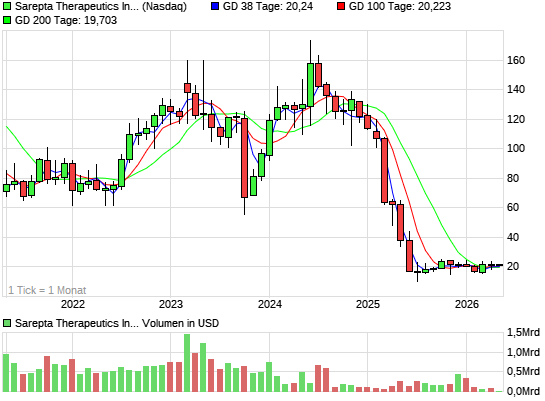
Der Chart sieht interessant aus... ==> Watchlist
Gru$$
Der Pennystockzocker
Ich bleibe hier erstmal längerfristig drin, da es m.M. über kurz oder lang zu einer Neubewertung kommen wird.
AVII, da wird noch einiges an performance dazu kommen.